
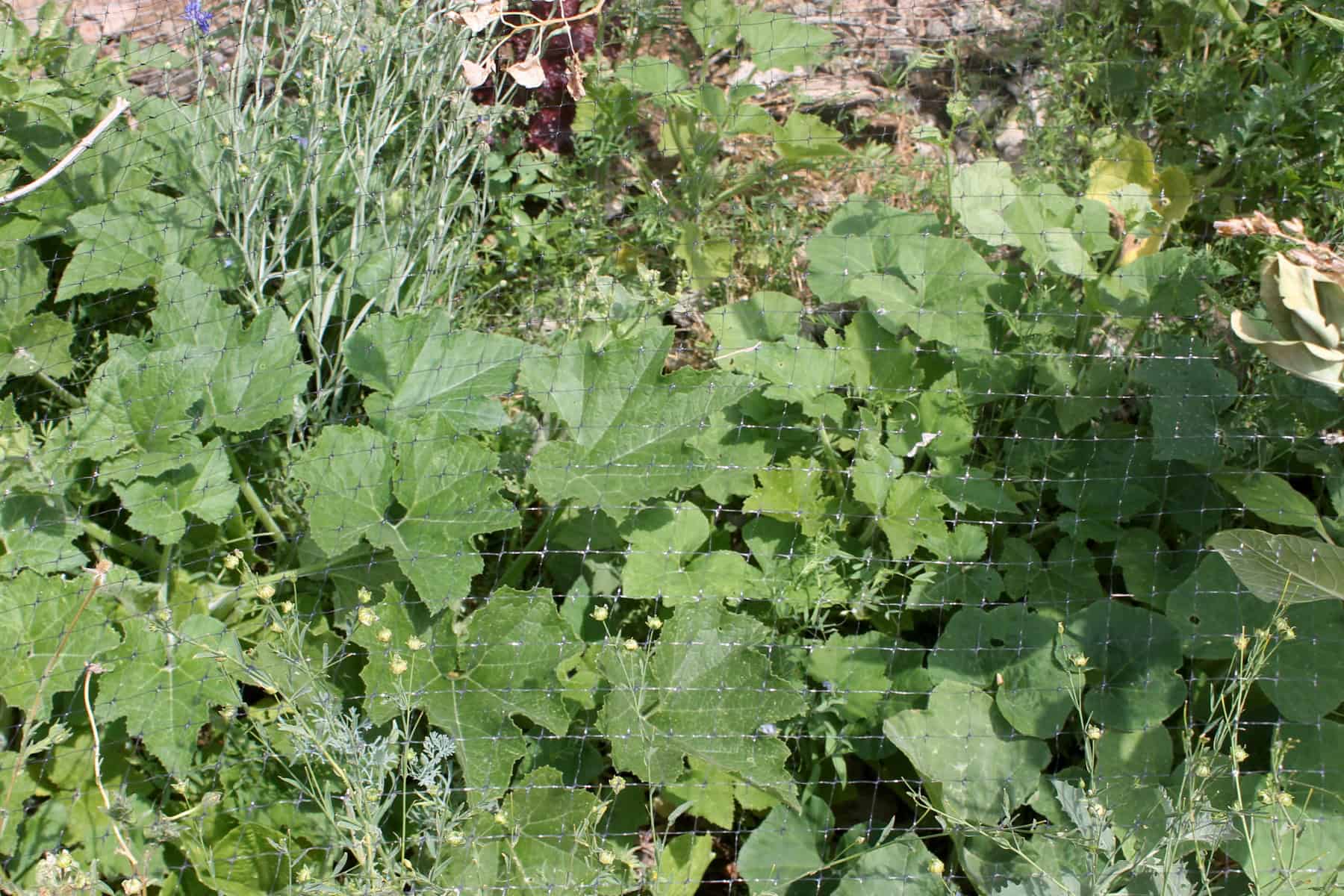
In Spring 2024 I started on a new garden site facing SSE at 5090 ft Elevation (1551m) on tailings and hillside sluff most recently used for footpath and barrow access. The dominant geology is degraded rhyolite, andesite and quartz that degrades into silty heavy mineral clay loam and cobbley loam with very low organic matter and low salts.
My first step was to dig a vermi trench on contour.The contour is first marked on the ground when measuring with a simple a-frame level. The overall depth in this vermitrench is relatively shallow at 6-8 inches as hard pan is less than a foot in most places.
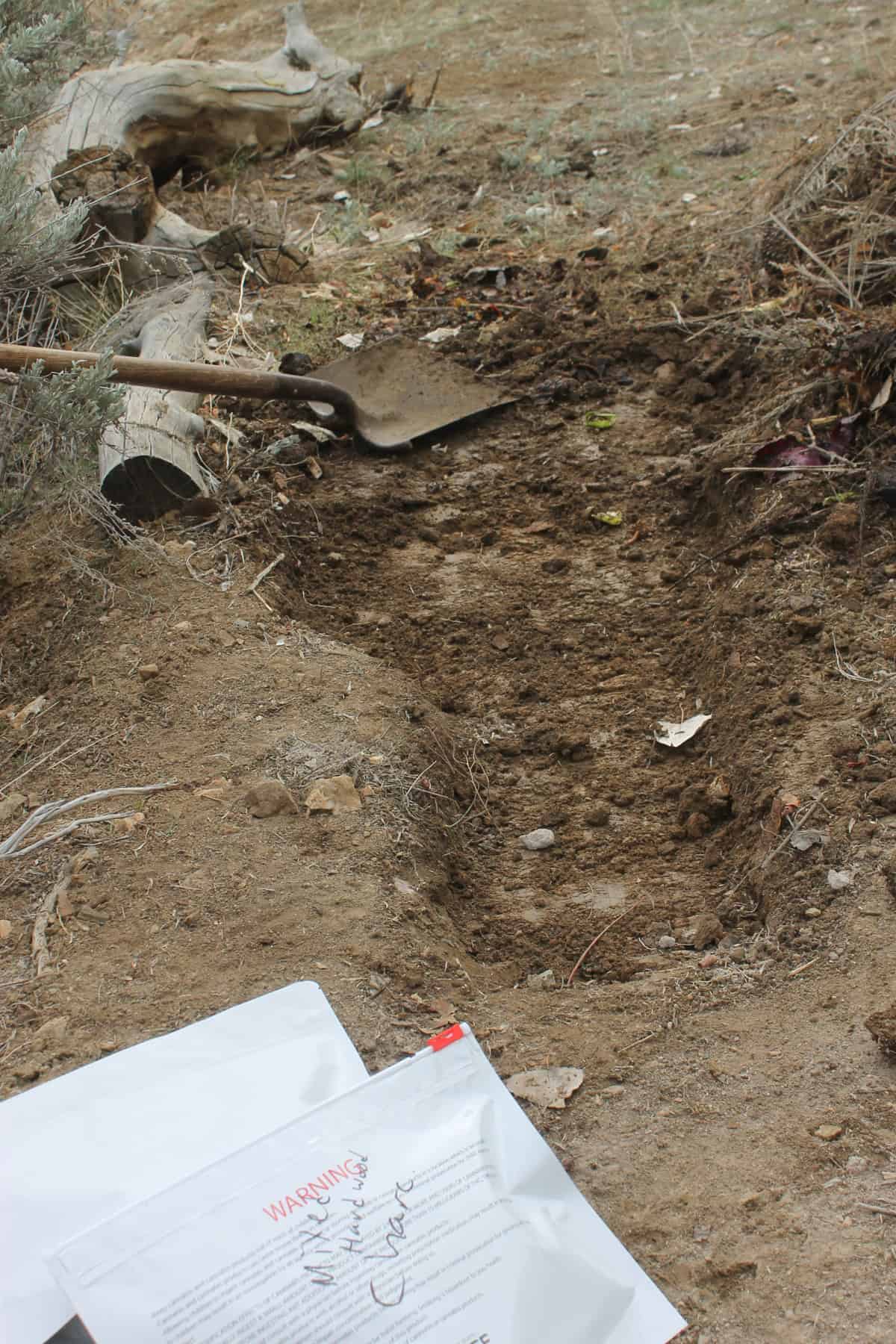
A thin layer of compost and/or food scraps was added first(manure works) then filled with paper or cardboard (lignan fiber containing materials). A small amount of crushed biochar is added over the lignan materials. This is a good point to add redworms to the food scraps if none exist on site.
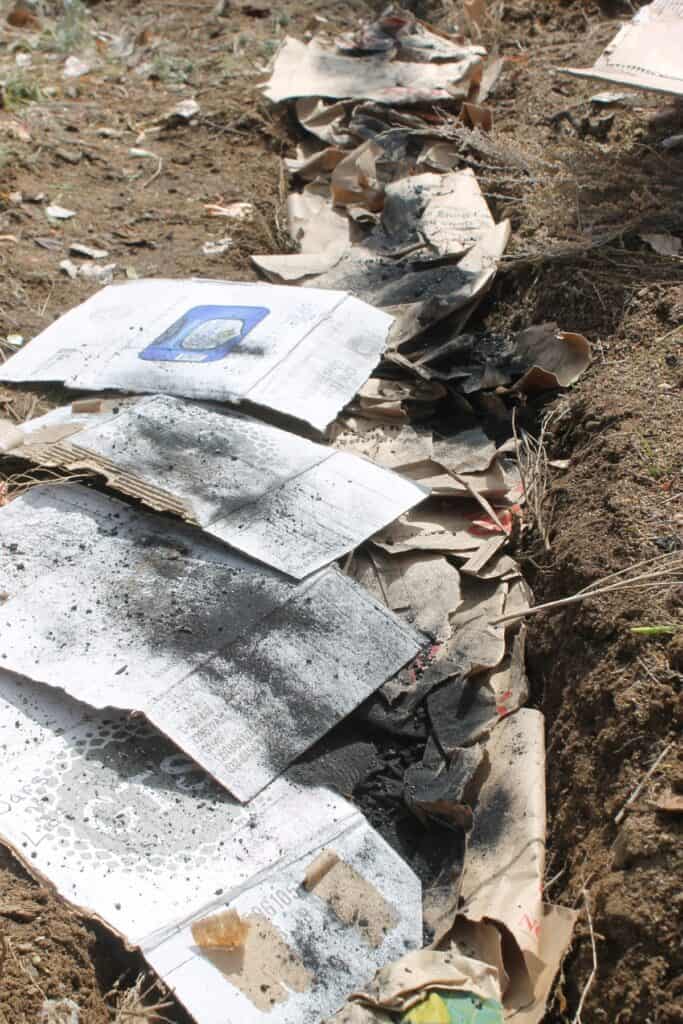
Lignan materials were added to fill the vermi trench to the contour line. The cardboard overlaps the vermitrench and instant garden surface area to that contour or slightly down slope.
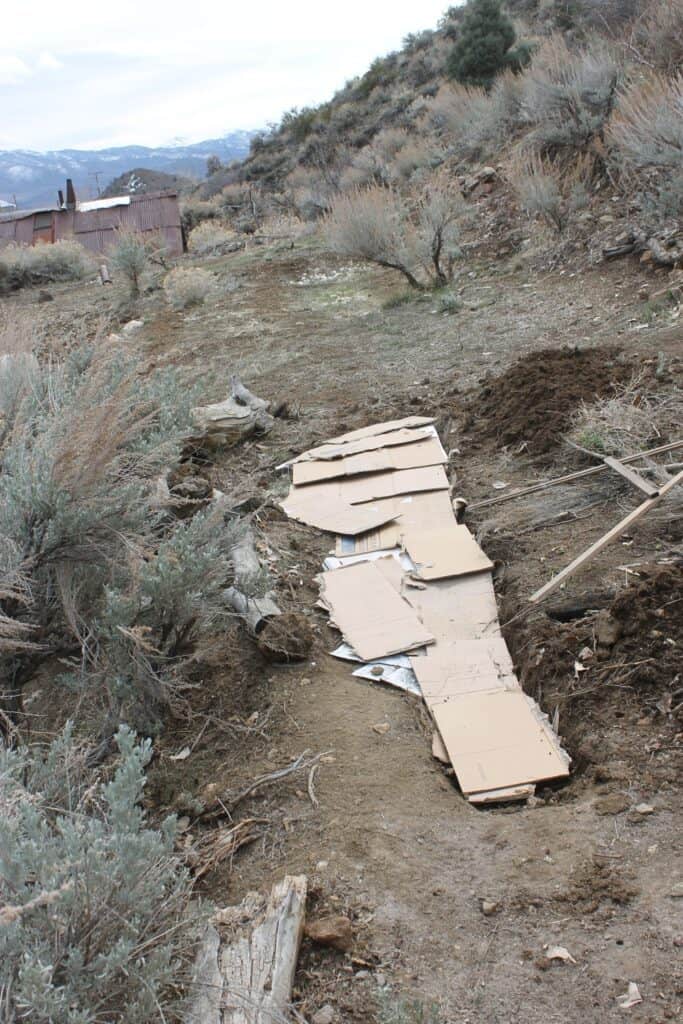
Woody materials were then added on top of the cardboard, generally the lengths of the cut materials are aligned on contour.
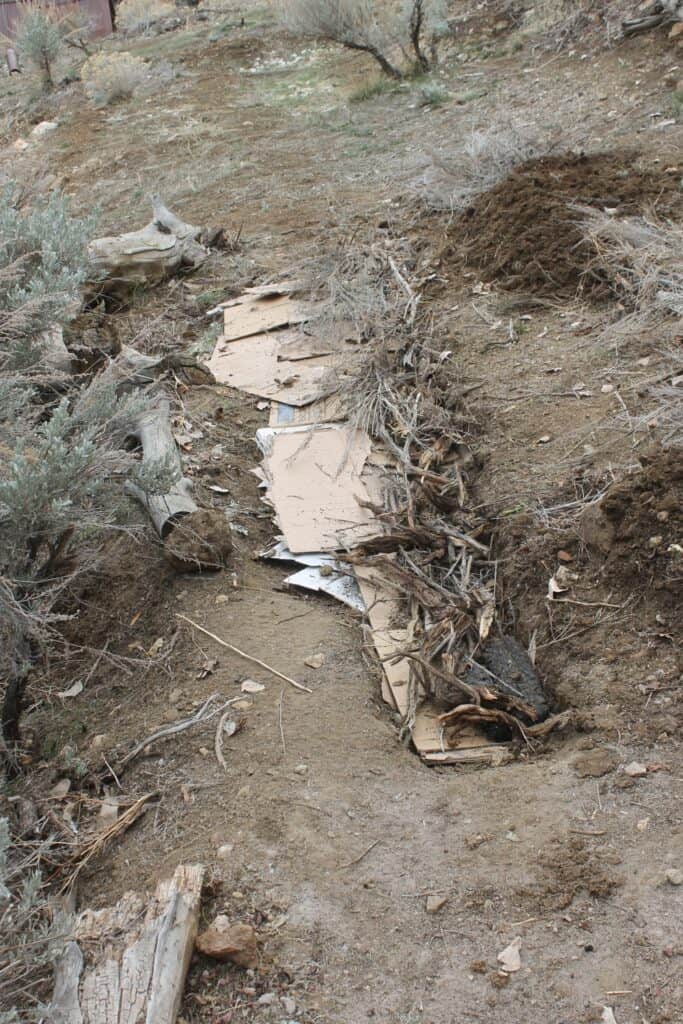
Larger wood was added first then smaller, and smaller to grass sizes. Stepped in and filled full with little to no large gaps for air is ideal.
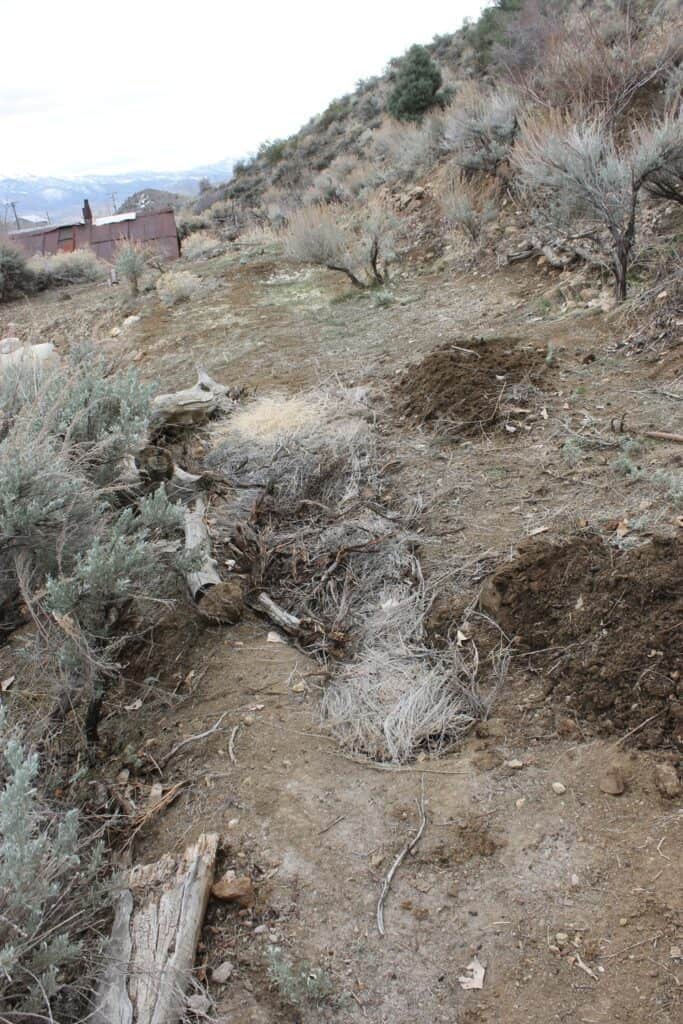
The contour and up slope topsoil was then added over the top of the woody materials making a wider path that is now on contour.
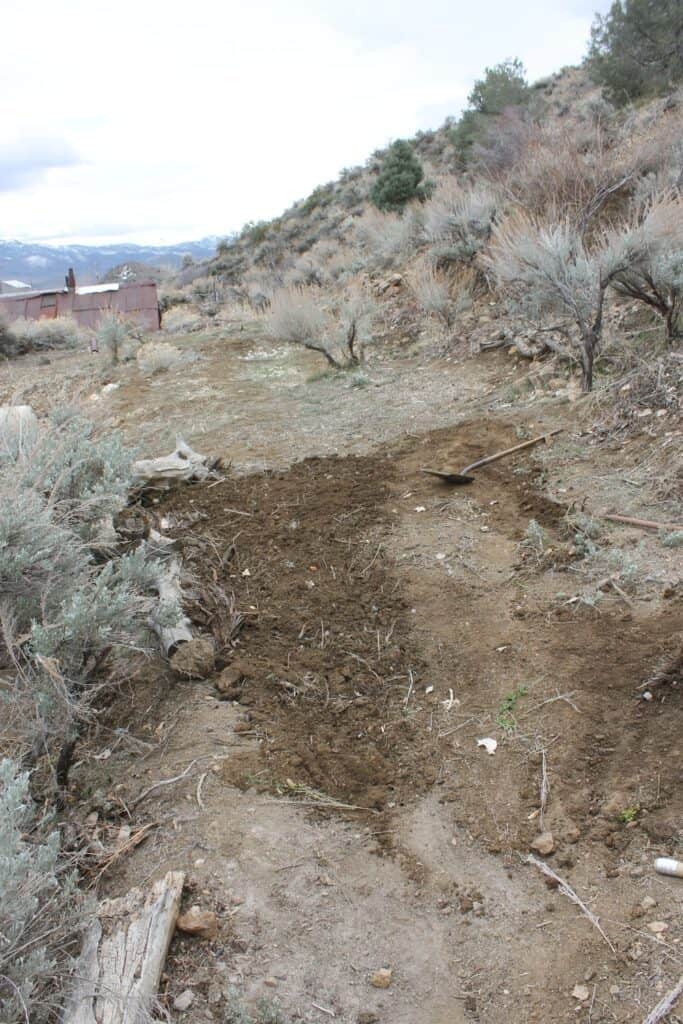
The surface area of the instant garden was then roughed with the end of a shovel for seed.
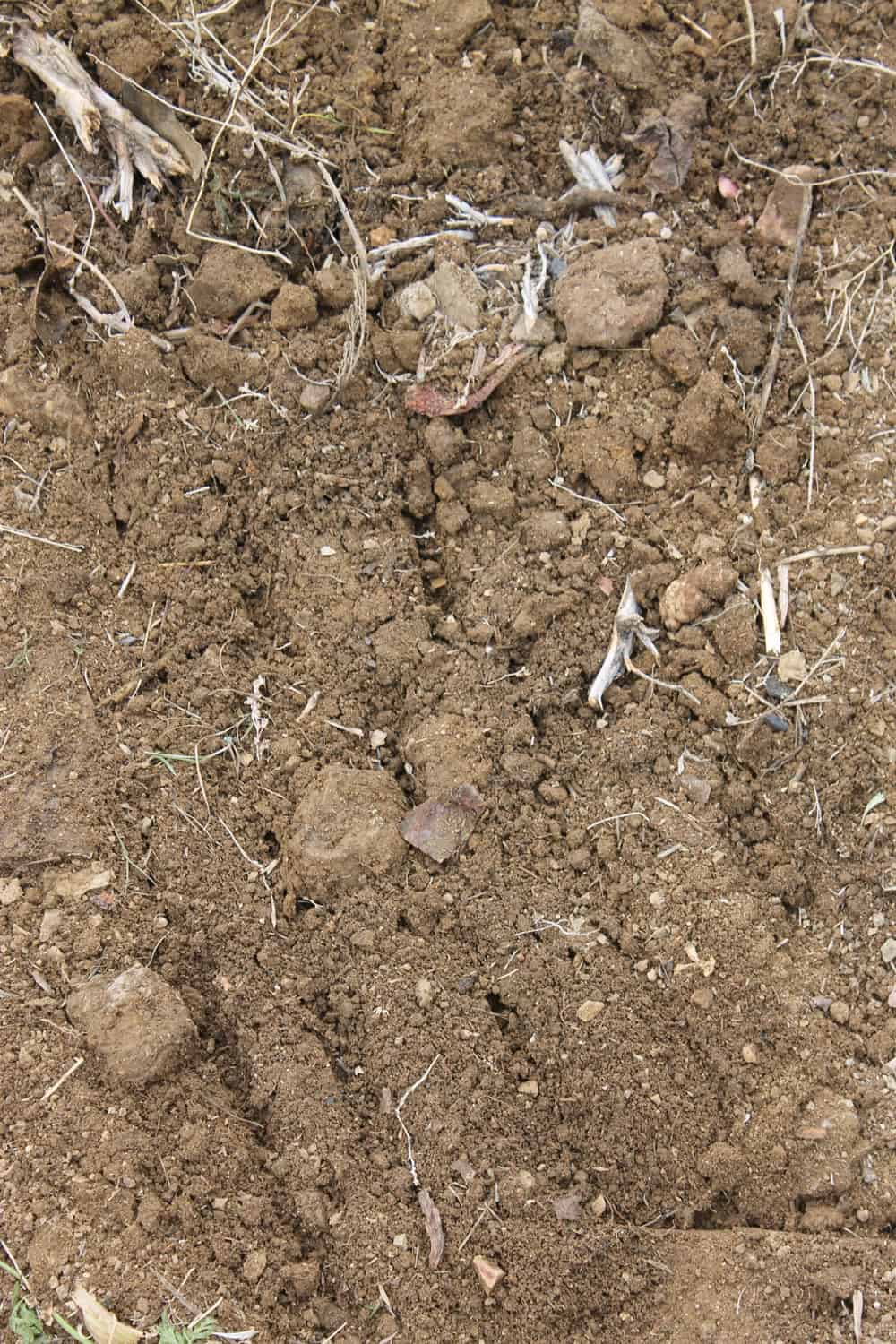
A mixture of cover crops, flowers and food crops was used.
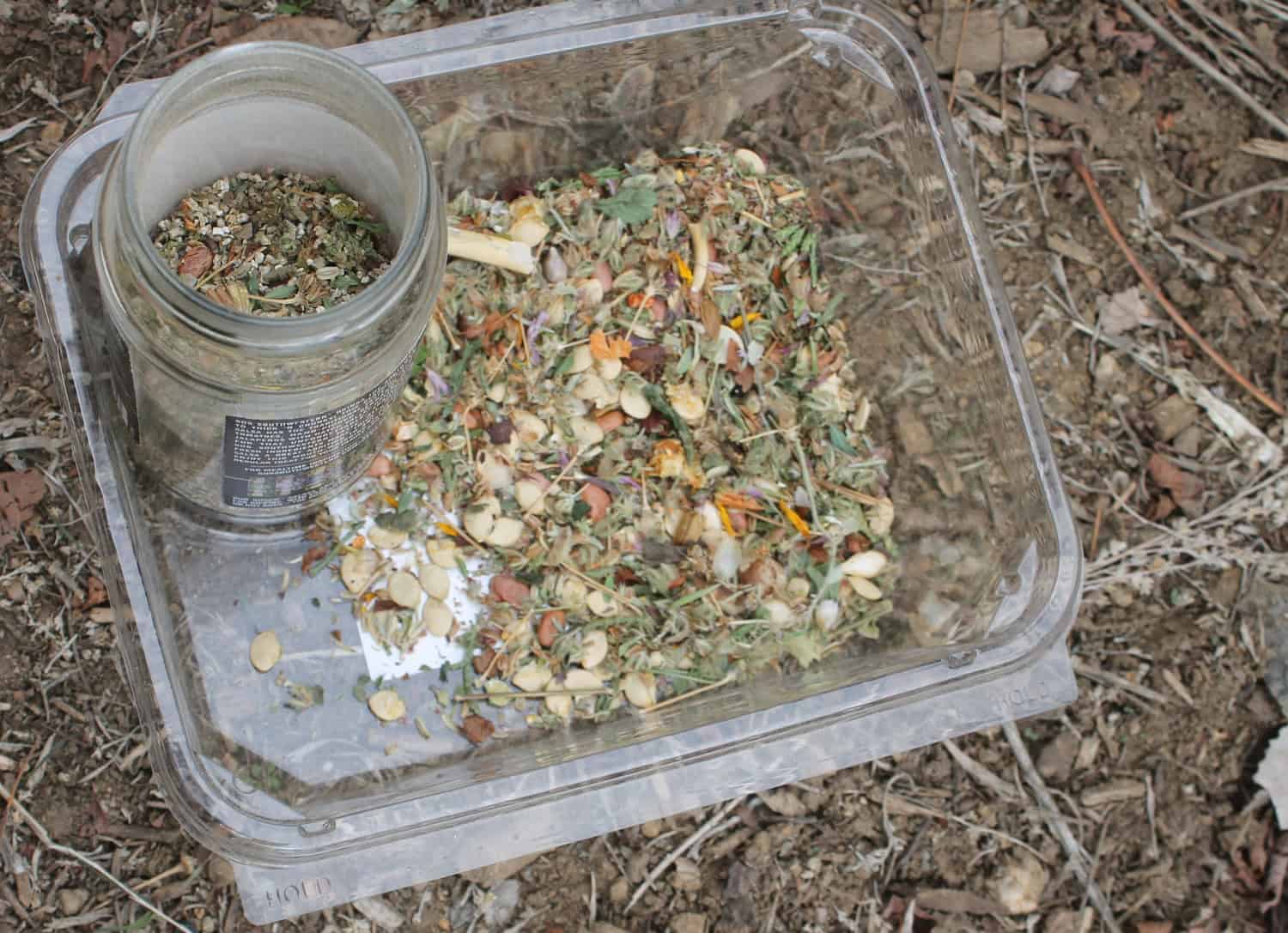
After spreading the seed, the surface area of the instant garden is then stepped into place lightly.
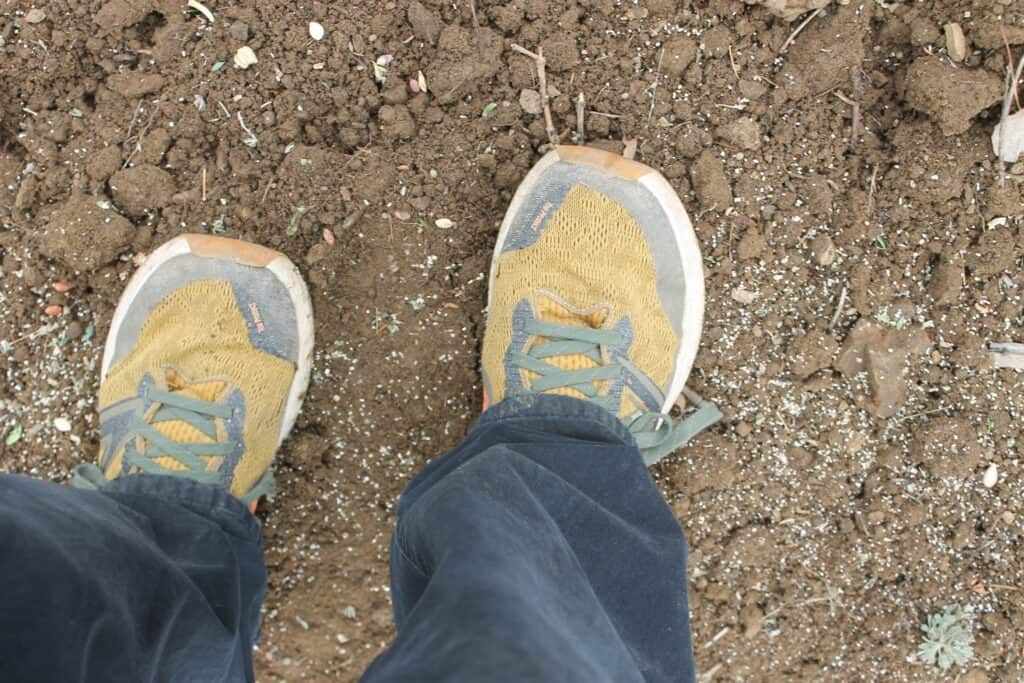
Seeds and pressed into the topsoil over the whole surface area.
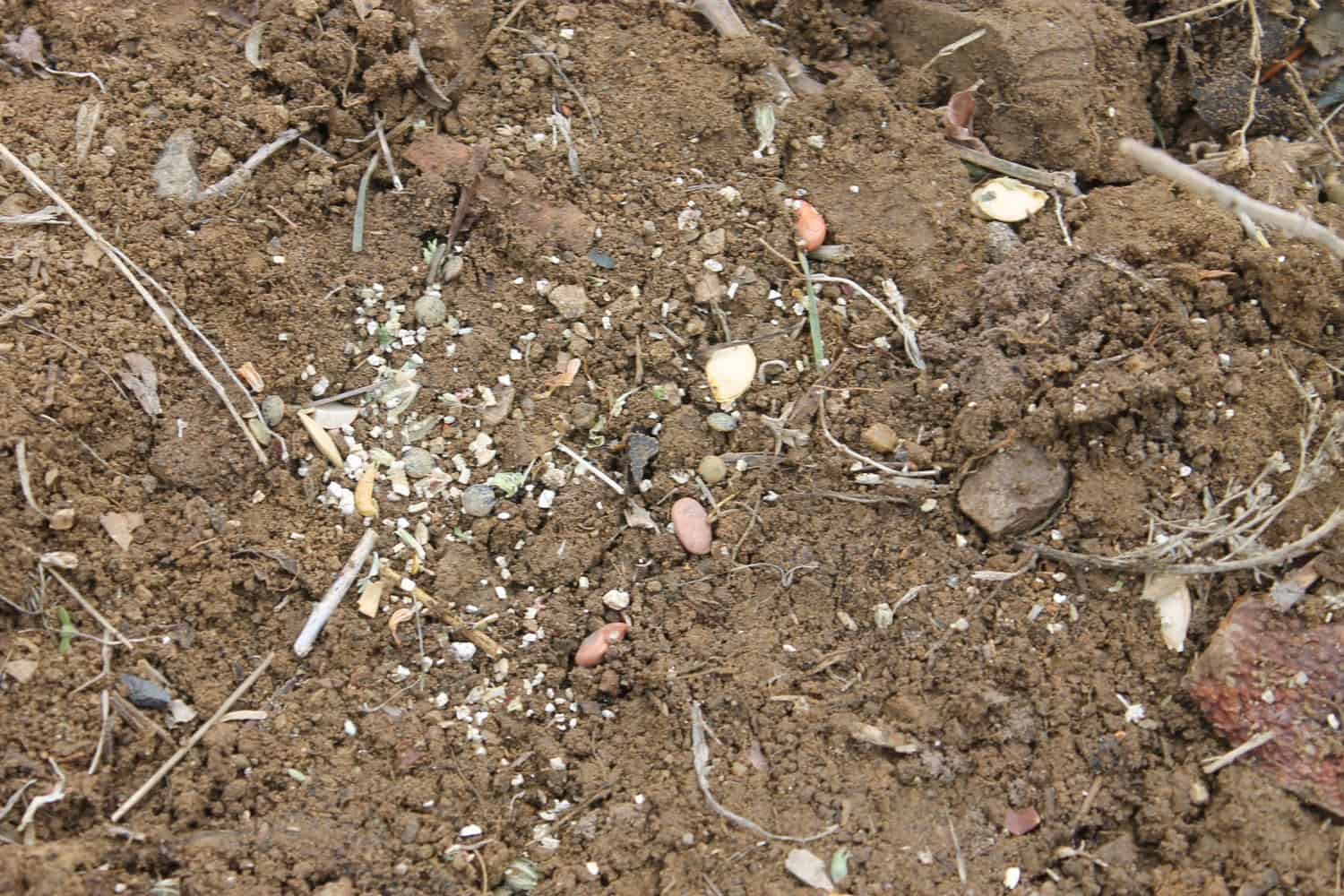
Seeds sown and stepped!
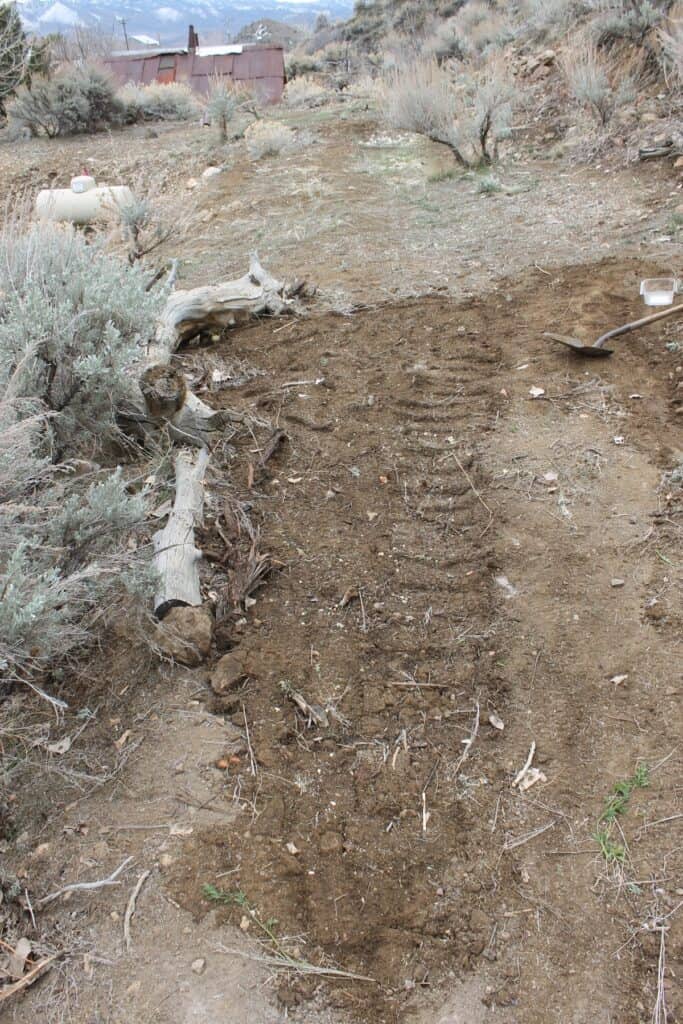
Mulch clear of pests was added on top then stick mulch to add pressure and shading.
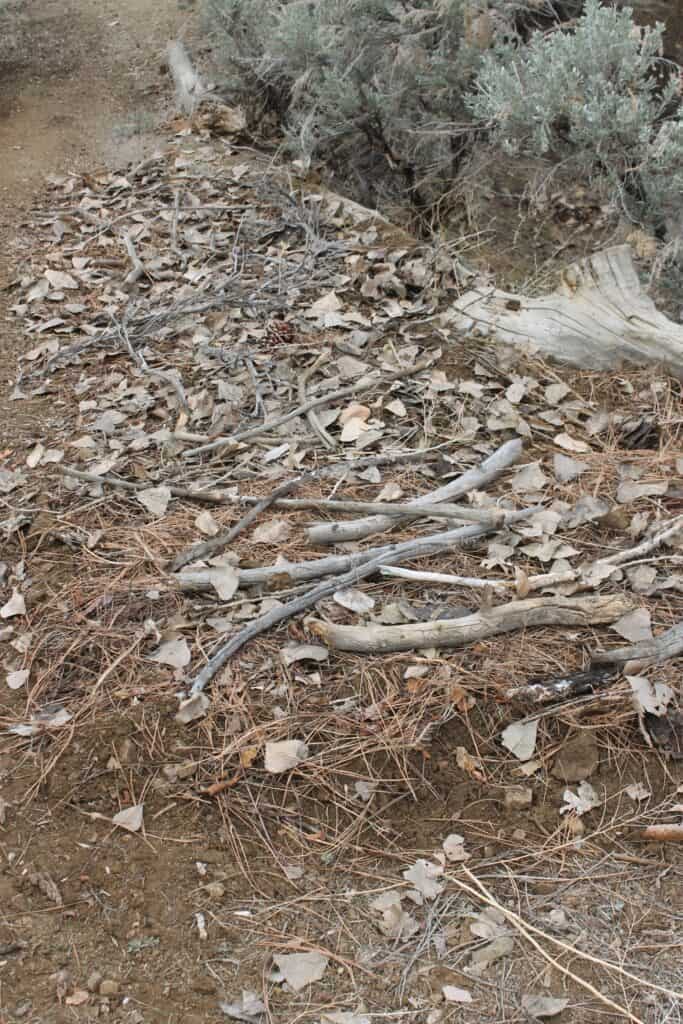
Access was then raked and checked with a-frame level for optimum drainage. Up slope contour path was extended beyond instant garden length.
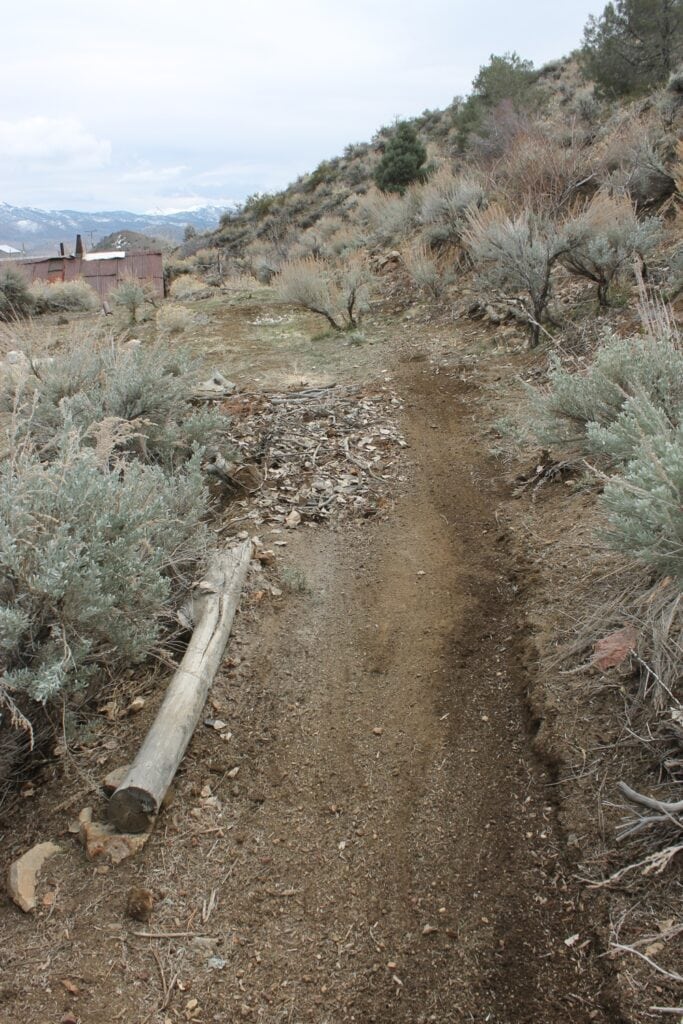
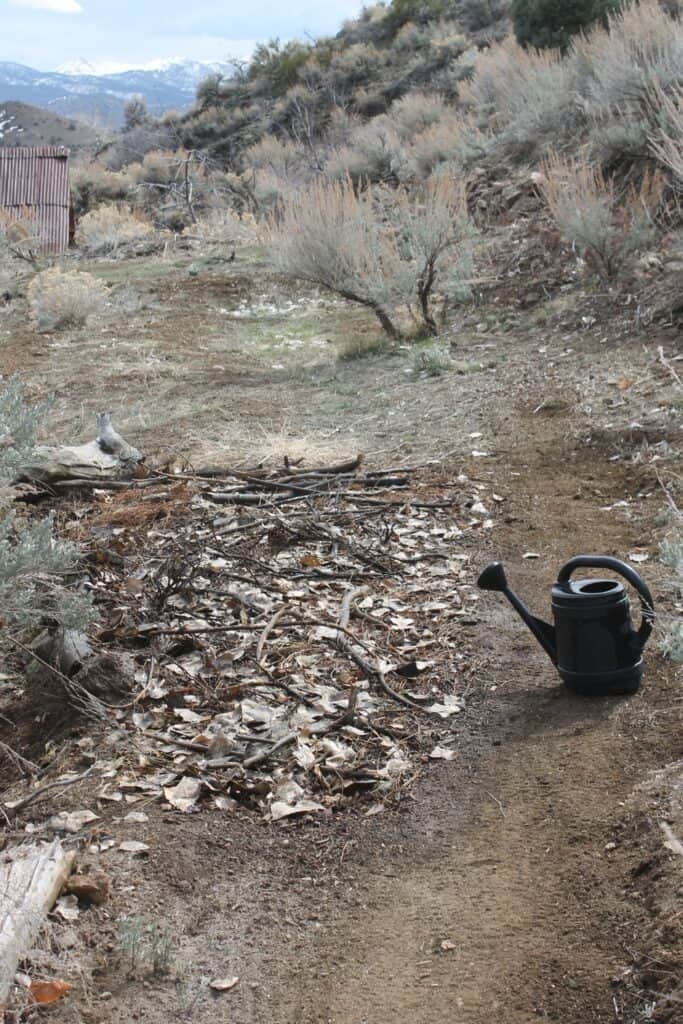
The instant garden was then watered evenly 1-2 times daily for optimum germination.
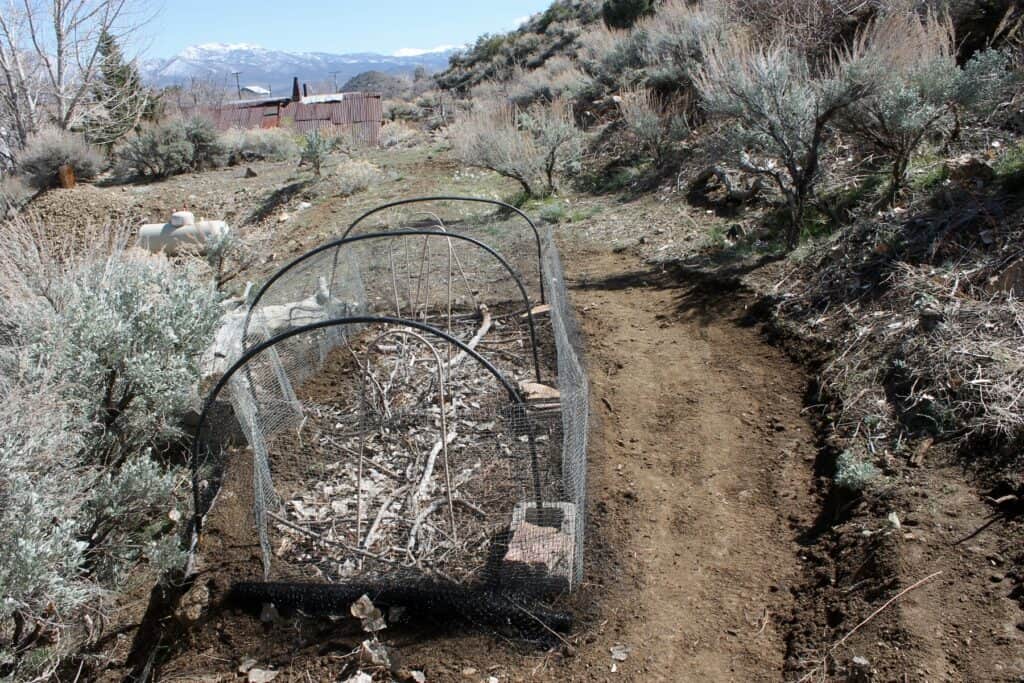
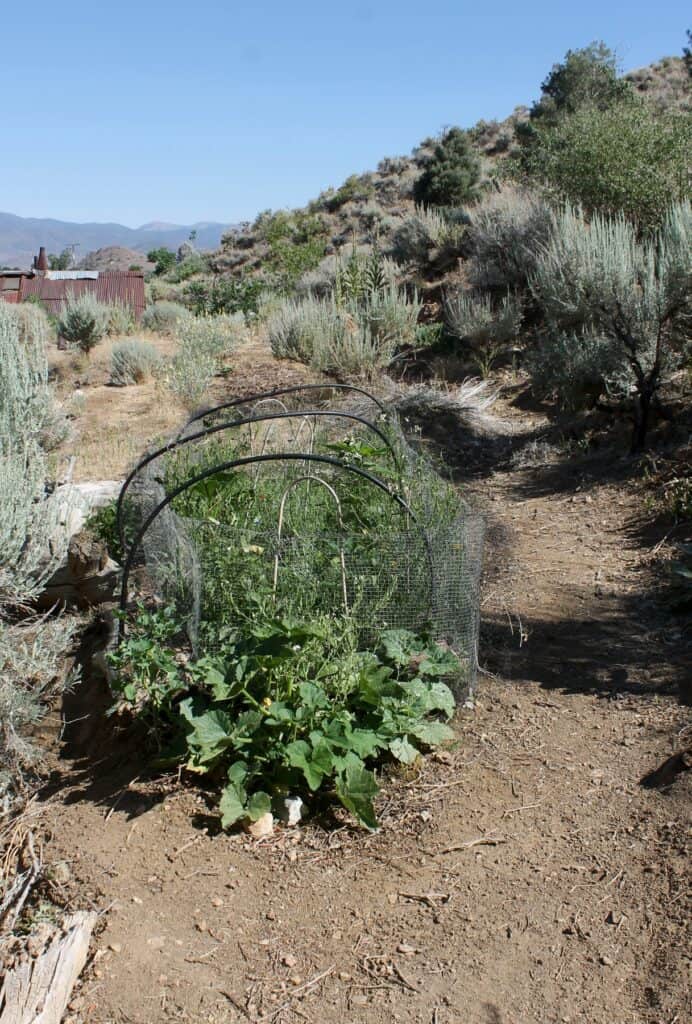
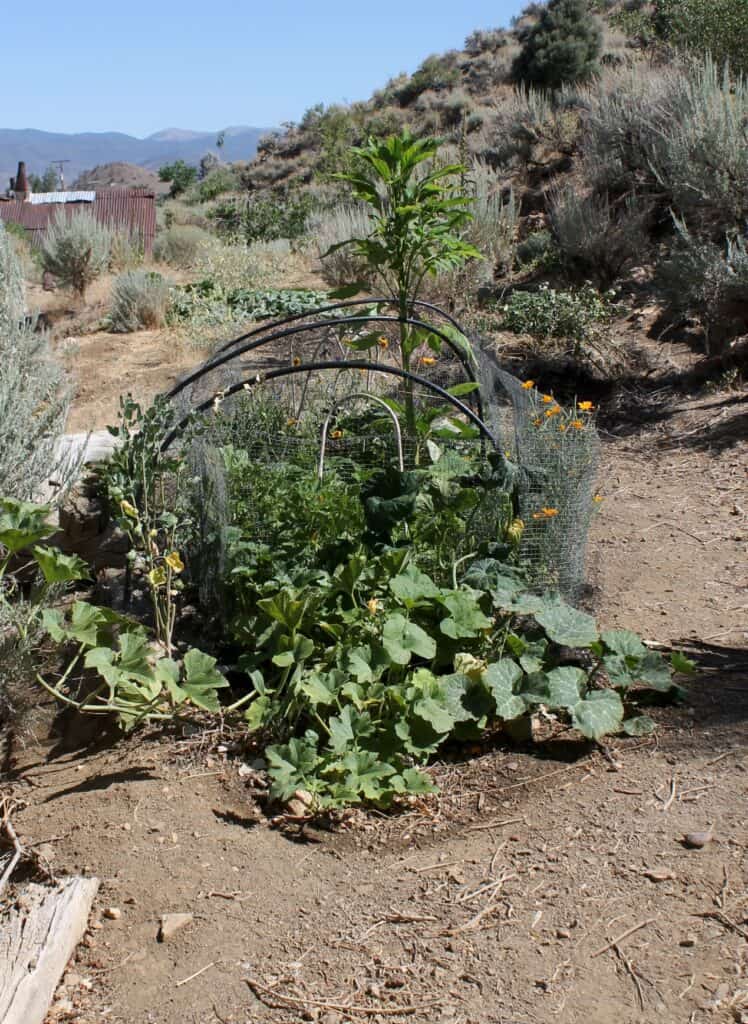
For this example in mid-March fencing, bird netting and solo vermi-farm blocks were added(blocks are situated over the vermi trench, foodscraps added under a stone for shading.
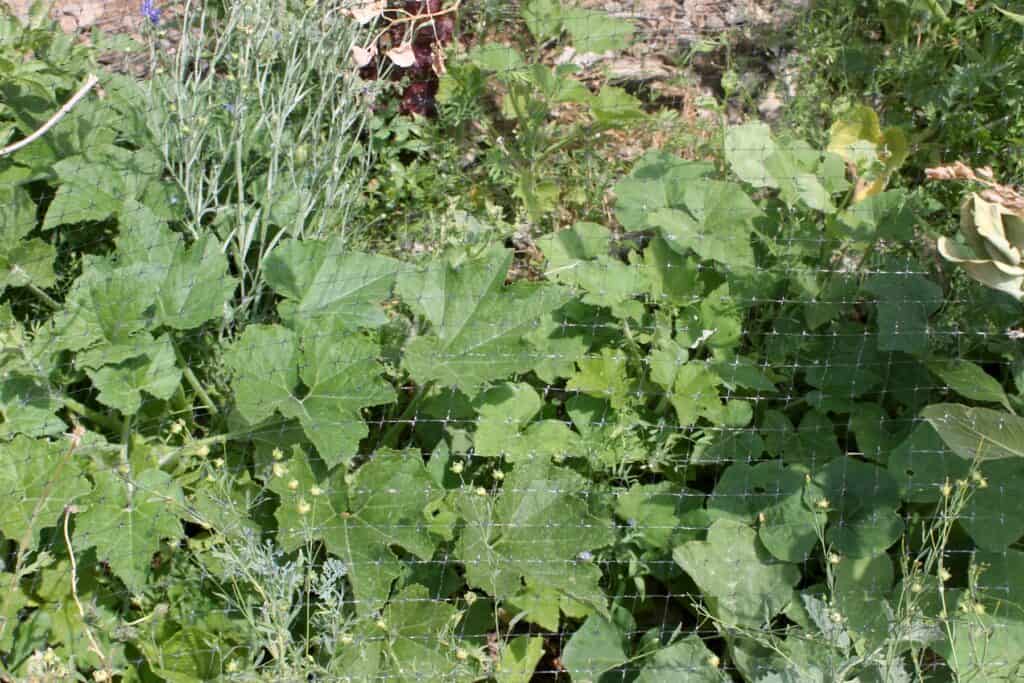
As of July the instant garden is producing flax seed berries, various types of flowers and herbs, lettuce and various types of squash. The mix of seed was specified to perennialize after 2 seasons. Some plants will winter over while others will sprout after the following winter. in June a brew of weedy clippings tea was watered through.
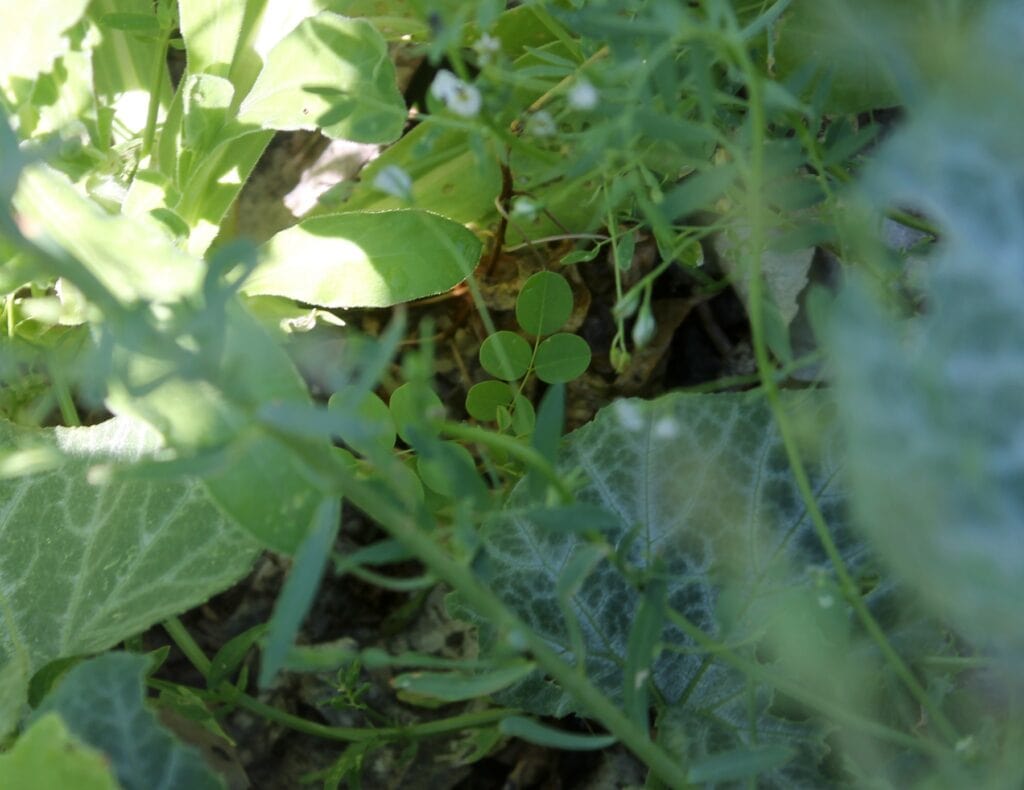
Young Amorpha fruticosa (False Indigo) sheltered under squash and flax canopy
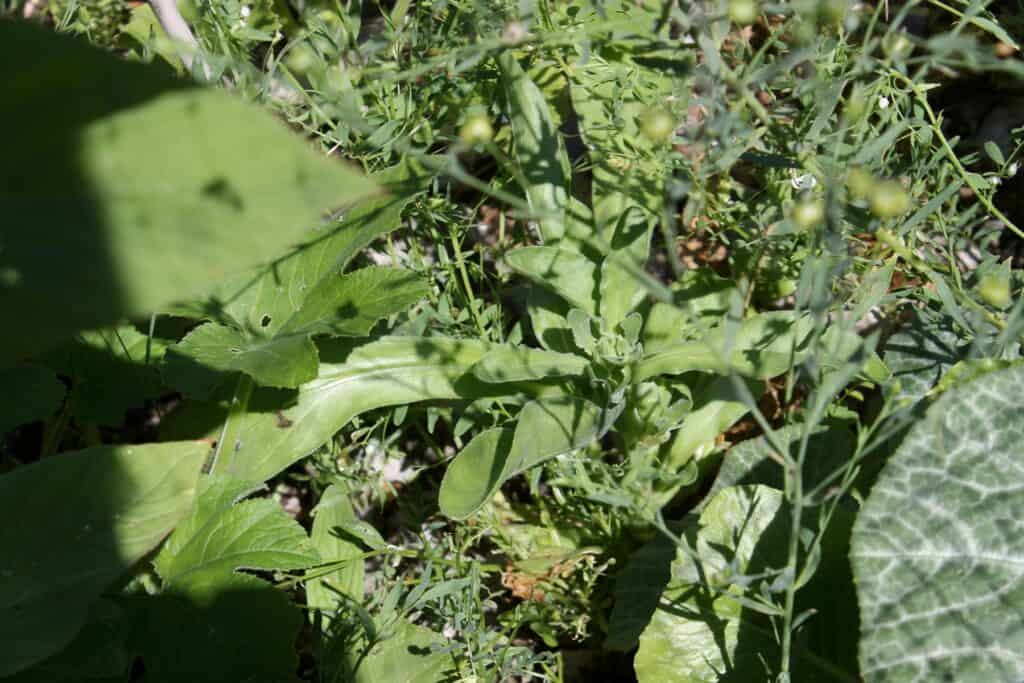
Calendula growing with flax, lentils and squash
Instant Garden as of July 13
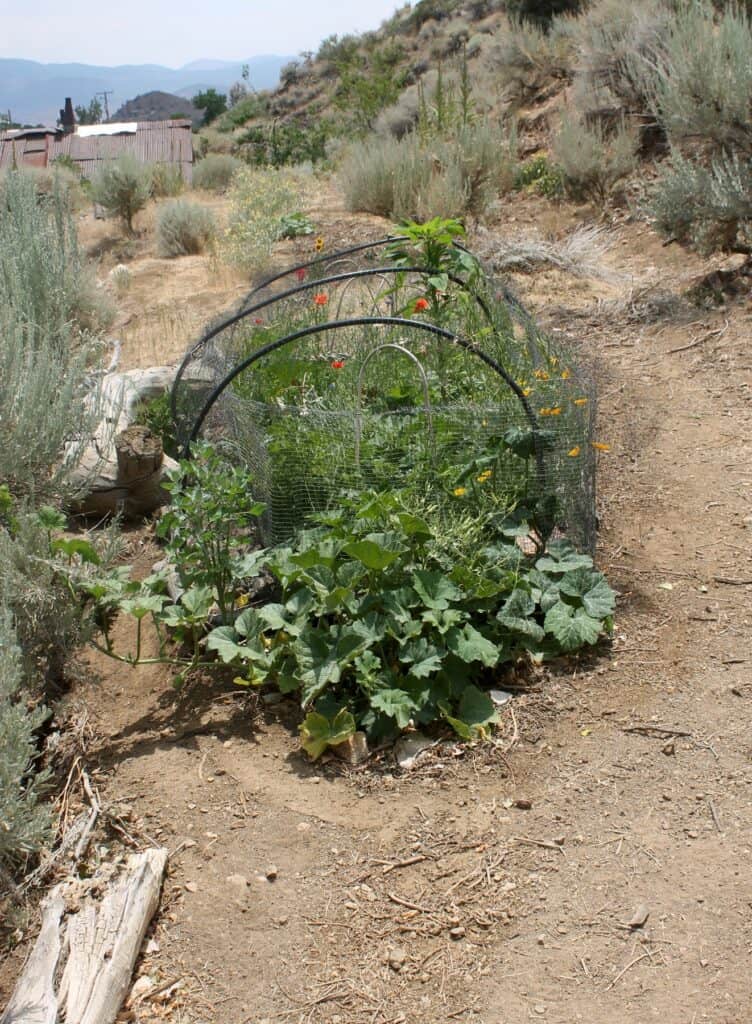
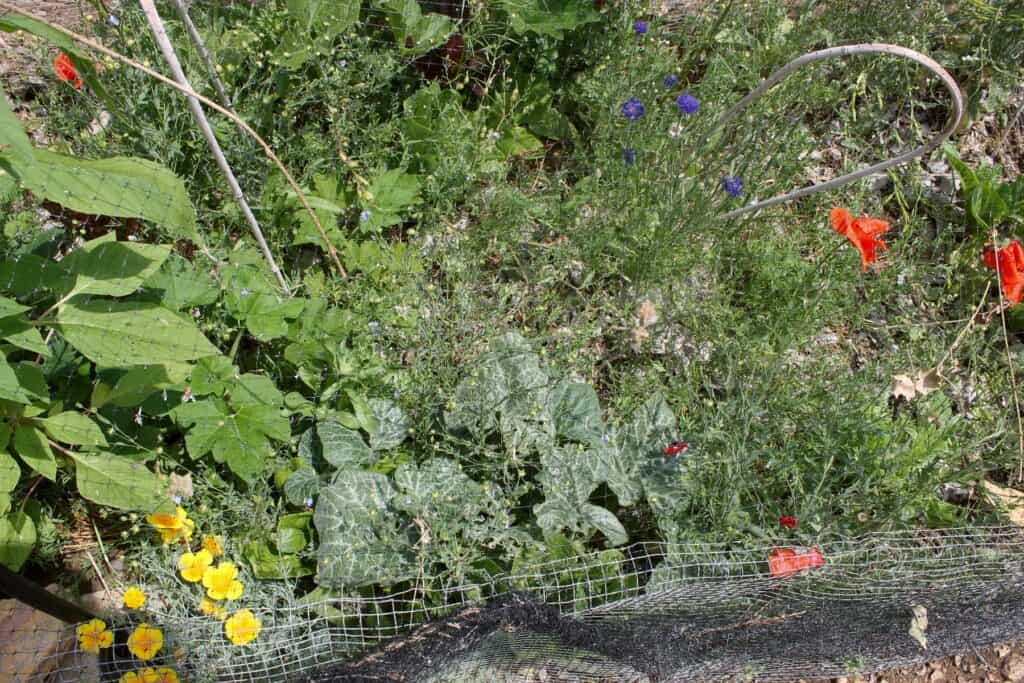
Instant Garden as of August 1st
Background: Site is designed using Permaculture to restore degraded lands heavy impacted by previous use, mineral extraction, wild fire and construction from varying periods stemming back into the late 1800s. Problems stem from periods of neglect, invasive plants, heavy metal toxicity, pest/rodent infestations, mitigated and unmitigated erosion and subsidence. Location is adjacent to a dry creek in a migration lane for pollinators, birds and large game. Moving to a new garden position every 1-2 seasons allows bi-annual floral plants to occupy the fallow spaces and decreases predation of annual crops. As a strategy over time, these rotational garden spaces add more diversity rich edges that feed pollinators on the sunny side of fruit/ nut trees that are easily hunted by wild game predators in winter and at night. The also site resides in an ancient game trail that provides regular visits from predators like these listed by least to most frequent visits: black bear, mountain lion, bobcat, ocelot, coyote, diamondback rattlesnake, falcon, owl, red hawk & golden eagle and house cat. The attraction for them is deer, rabbit, squirrel, mouse & rat, doves & quail. All of the wildlife has an impact on the ecosystem. One of those impacts is added nutrition from manure another is browsing & foraging behavior. By planting nitrogen fixers along crop edges provides attraction forage that when eaten causes release of nitrogen from N-fixer root nodules. Time/shape patterns can be applied when designing seeding regimes to enhance soil and benefit from browsing and foraging behaviors. Seasonal predator pressure helps keep wildlife on the move.